
Not every movie can be a box office success. With so many films released year-round, there will inevitably be winners and losers. However, the truly great films go on to become something even bigger than a box office draw: bona fide cult classics. People discover films somewhere outside of the theater, and eventually, they end up becoming such a classic that no one even remembers that it didn’t do well when it was originally released.
Nowadays, the initial box office numbers are beginning to matter less and less (or more and more if you’re a film studio), and films will either stand on their own or become a footnote in streaming history. For movie fans though, they know what they like when they see it. Even if the movie stumbled, the fans will find it. What classics finally found their audience after a less-than-stellar theatrical run?

Blade Runner (1982)
Ridley Scott took the story Do Androids Dream of Electric Sheep from Phillip K. Dick and created a futuristic noir masterpiece. Fans at the time didn’t seem to think so. The initial reviews seemed to think the film was slow and confusing. A detective hunting robots that look like people must not have been a hook many were looking for. It didn’t help that it came out the same year that E.T. destroyed everything else in theaters.
After a while, fans and critics began re-evaluating the film and realized that the themes and characters were much deeper than they initially thought. The question of life and everyone’s place in it grabbed film fans, and Ridley Scott even made a new director’s cut of the film that opened even more questions. Eventually, this became one of the most influential sci-fi films ever made without the words “Star” or “Wars” in the title. It could be one of the most copied of the cult classics.
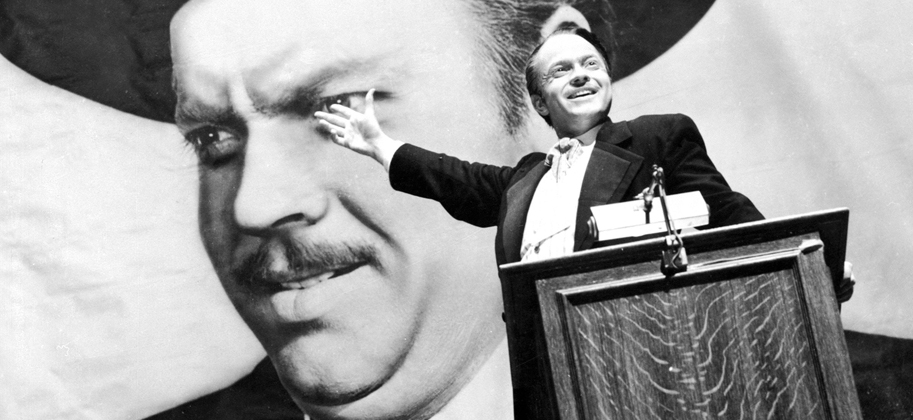
Citizen Kane (1941)
If you take any film class or read most reference books on the subject, you will run across this film. It has become a code word for a masterpiece for any kind of artwork. “That’s the Citizen Kane of rock music.” “The Citizen Kane of its time.” “It’s no Citizen Kane.” Well, most people don’t realize that back in 1941, people hated this movie. And I don’t mean were ambivalent about it. Hated it. It was so bad that during the 1941 Academy Awards, the film was booed every time one of its nominations was announced.
The studio RKO sealed the film away in its vaults and figured it was done with it. In the mid-1950s, they gave it another shot and re-released it. Back then, the only way to catch a film more than once was to send it out to theaters again. It caught on very quickly, and audiences seemed to finally get it. The movie itself was a technical marvel, with Orson Welles creating brand new filmmaking techniques and lenses during production that were put into regular use going forward. It has since become the highest standard for all films.

Office Space (1999)
In the mid-nineties, Mike Judge was flying high. Beavis and Butthead had become a pop culture phenomenon, their movie had been successful, and his new show, King Of The Hill, had garnered a good following. He decided to try his hand at directing a live-action film about his time in corporate America, and Office Space was born. Even though he had one of the biggest TV stars in the world at the time, Jennifer Aniston, it failed to find an audience.
All of that changed when it hit video store shelves. It quickly outsold tentpole movies from Fox and was so unexpected that studio executives didn’t even know until a reporter told them during an interview. People had finally discovered it at their local video store and could easily identify with hating your job. It caught on quickly, and Mike Judge now says it’s what he gets asked about the most when talking to his fans. This is a prime example of cult classics.

The Wizard Of Oz (1939)
This one is a mild cheat, but bear with me. With Wicked doing so well at the box office and the sequel waiting to hit screens, it’s hard to imagine that The Wizard of Oz wasn’t always a huge hit. The film did excellent business around the world but was only considered an okay movie in its home country of the United States. Even with the marvel of the change between black and white footage of Kansas and the Technicolor wonder that was Oz, audiences weren’t all that impressed.
In 1956, the film started showing on TV and quickly became a yearly tradition. This led to the film finally gaining a large following in the United States and becoming a certified classic. A recent study even declared that the film had become the most-watched movie in history. Every generation seems to find this film, and it now has numerous official and unofficial sequels and prequels. One of the earliest cult classics.

Highlander (1986)
Some films become so big that a single line from the movie can burn itself into pop culture so permanently that everyone knows where it comes from, even if they have never seen it. If someone says, “There can be only one,” just about everyone knows you’re talking about Highlander. The story of an immortal who has to behead other immortals didn’t make a significant mark when it hit theaters. Luckily, the video store once again saved this film from history and even created a whole franchise. Maybe one of the most successful cult classics?
It was successful enough on home video that Sean Connery even agreed to return for the sequel. The only other sequels he had done were for the James Bond series. That is some serious momentum. Even though the sequel had a similar problem, it still proved that the property was popular enough to spawn multiple sequels, two TV series, an anime, and multiple book tie-ins.
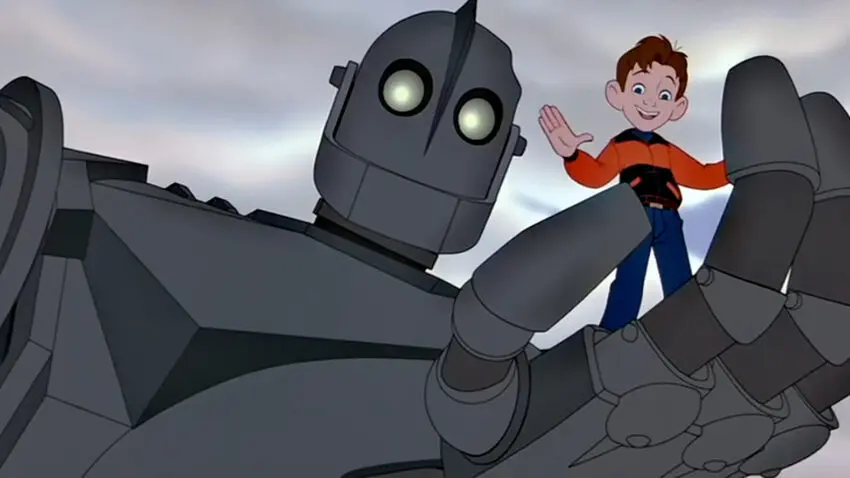
The Iron Giant (1999)
While Brad Bird has worked in animation since the 80s, his name became synonymous with fun movies when he wrote and directed The Incredibles for Pixar in 2004. A couple of years before, he wrote and directed this film about a giant robot that didn’t want to become a weapon of destruction. He was coping with the loss of his sister, who was shot by her soon-to-be ex-husband. The original story by Ted Hughes was written to help his children cope with the suicide of their mother, Sylvia Plath.
The film came out, tugging at every heartstring imaginable. It didn’t make a big splash in theaters, but those who grew up in the early 2000s remember the film fondly. It has garnered a loyal audience who have passed it on to their children as they have gotten older. Steven Spielberg even included the character in the nostalgia factory that is the film Ready Player One, and has it play a big part in the final battle.
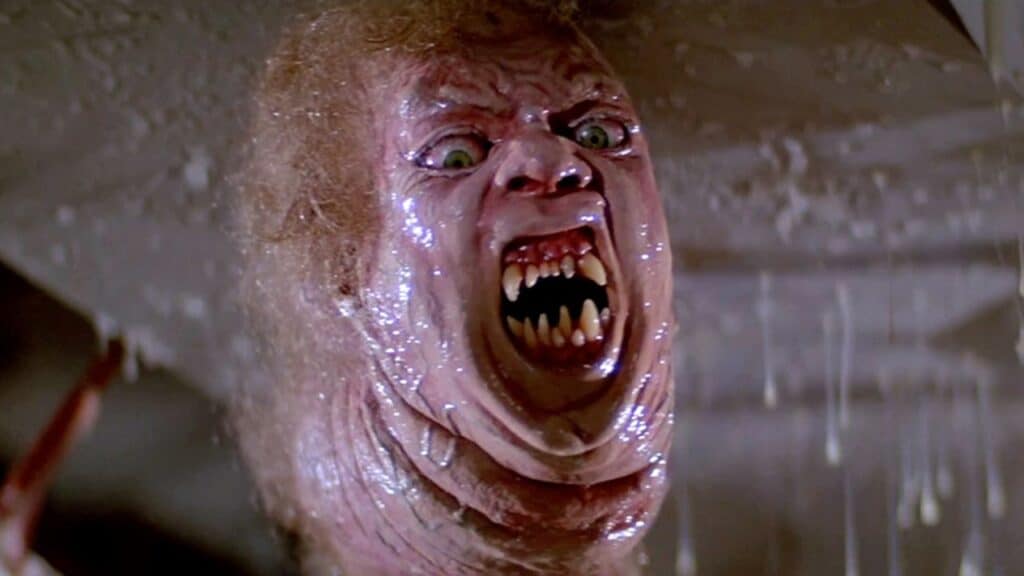
The Thing (1982)
Back in 1982, audiences were obsessed with the idea of aliens. Only, the kind that John Carpenter wanted to bring to the big screen were not the kind you can bring home to mom. E.T. had taken over the box office, and people loved it. When The Thing arrived, audiences were not ready for a shape-changing creature that oozed and bled all over the screen. They had fallen in love with kind aliens that made you laugh and cry. Now people were screaming and dying.
The film died quickly, and Carpenter even lost the directing job for Stephen King’s Firestarter due to the film’s poor box office performance. Luckily, he was able to go on to direct many more classics. As video store culture was riding high, the film slowly built an audience. Now, this film is considered one of the best horror films of the 80s, and that says a lot considering what came out that decade. The special effects by Rob Bottin hold up to this day and are heralded as groundbreaking for the time. Even critics who hated the film eventually re-evaluated it and consider it one of the best cult classics.

It’s A Wonderful Life (1946)
This Jimmy Stewart classic didn’t set any records when it came out. While it wasn’t an absolute failure, it wasn’t seen as being very successful. Jimmy Stewart had just returned from serving in WWII and had considered retiring from acting. Luckily, he returned and continued after the film limped through theaters. He did say that he could identify with George Bailey because he had been dealing with depression and PTSD (at the time called Shell Shock). The scenes where he got to be really angry and yell were very cathartic.
The film returned frequently around Christmas time, and over time, it built up a considerable fanbase. It’s hard to imagine a holiday season without the film airing. Even though George Bailey was able to quickly find his happy ending, this film took a long time to find one for itself. It was worth the wait.
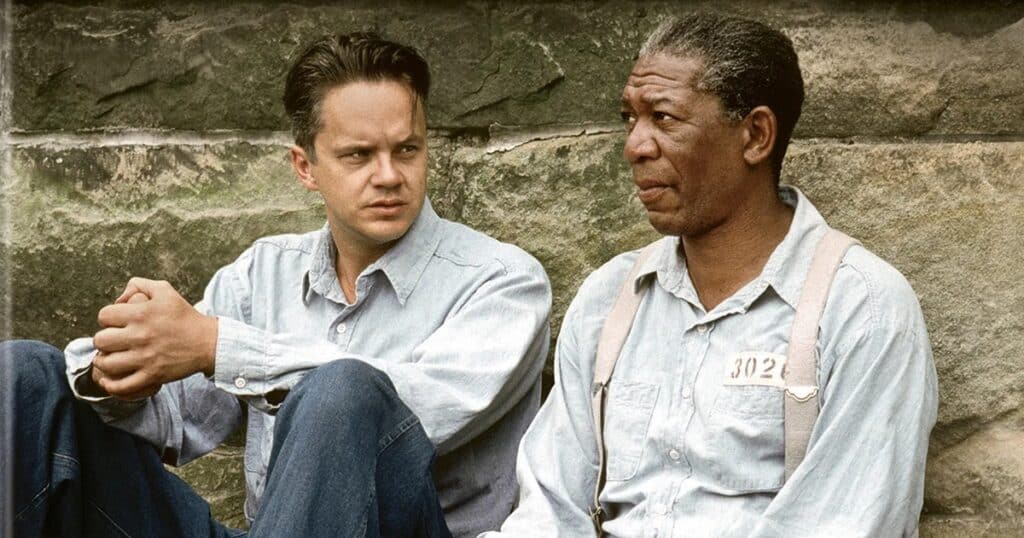
The Shawshank Redemption (1994)
This movie has been labeled a “dad movie,” but it has built a reputation as a fantastic story of perseverance and a whole lot of patience. Based on Stephen King’s novella Rita Hayworth and the Shawshank Redemption, which is part of the Different Seasons collection, the author often has to convince fans of the movie that he originally wrote it. Frank Darabont was able to take a story that almost no one had heard of before and turn it into a classic film.
It didn’t do much in theaters, and it did okay in video stores. The big push for the film came when it began airing on the cable channel TNT. They would often replay movies a couple of times daily to fill their 24-hour airtime. This helped get the film into audiences’ homes, and they quickly found that this film about prisoners in the 1940s was pretty good. It gave it the reputation it needed and hasn’t looked back since.

Clue (1985)
The board game has been around since the 1940s. When it was decided to make a film about it, they went in a dark comedy direction. They gathered up a fun cast and even gave them all the same pay and billing. One of the most notable things about the film was its multiple endings. Originally, John Landis was supposed to direct the movie and came up with the idea. Just like the mix-up action of the board game, the film could end in three different ways. They would send out different endings to different theaters and encourage filmgoers to see the film multiple times.
The film missed out on making its budget back in theaters. As with many movies on this list, it was video stores that really made the film popular. The VHS had all three endings and presented them as two possible endings, with the last one being the “real” ending. When DVD technology finally came around, Shout Factory released a version of the film that you could watch, and an ending would randomly be chosen to give you the full theatrical experience.
What are your favorite cult classics? Let us know in the comments below.
The post Cult Classics That Were Box Office Bombs appeared first on JoBlo.


No comments:
Post a Comment